

What defines this Moroccan Koummya dagger and why does it matter to collectors?

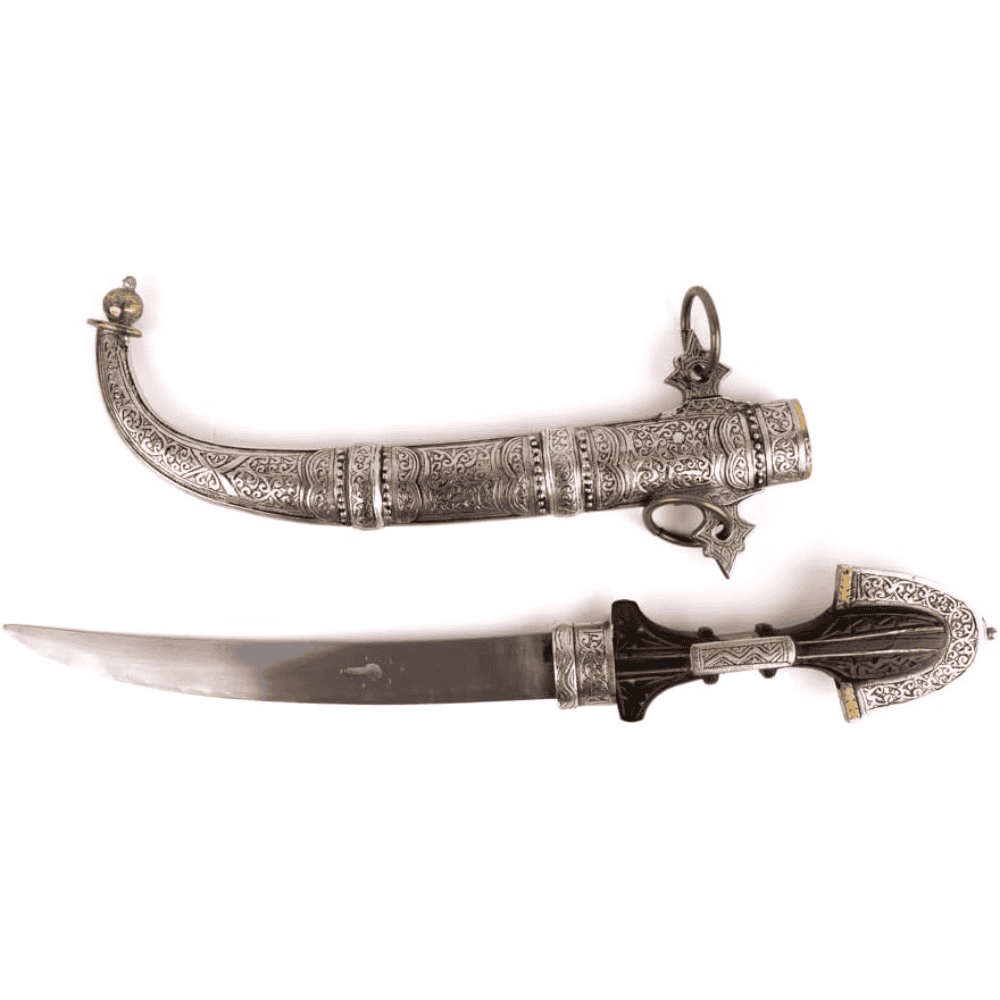
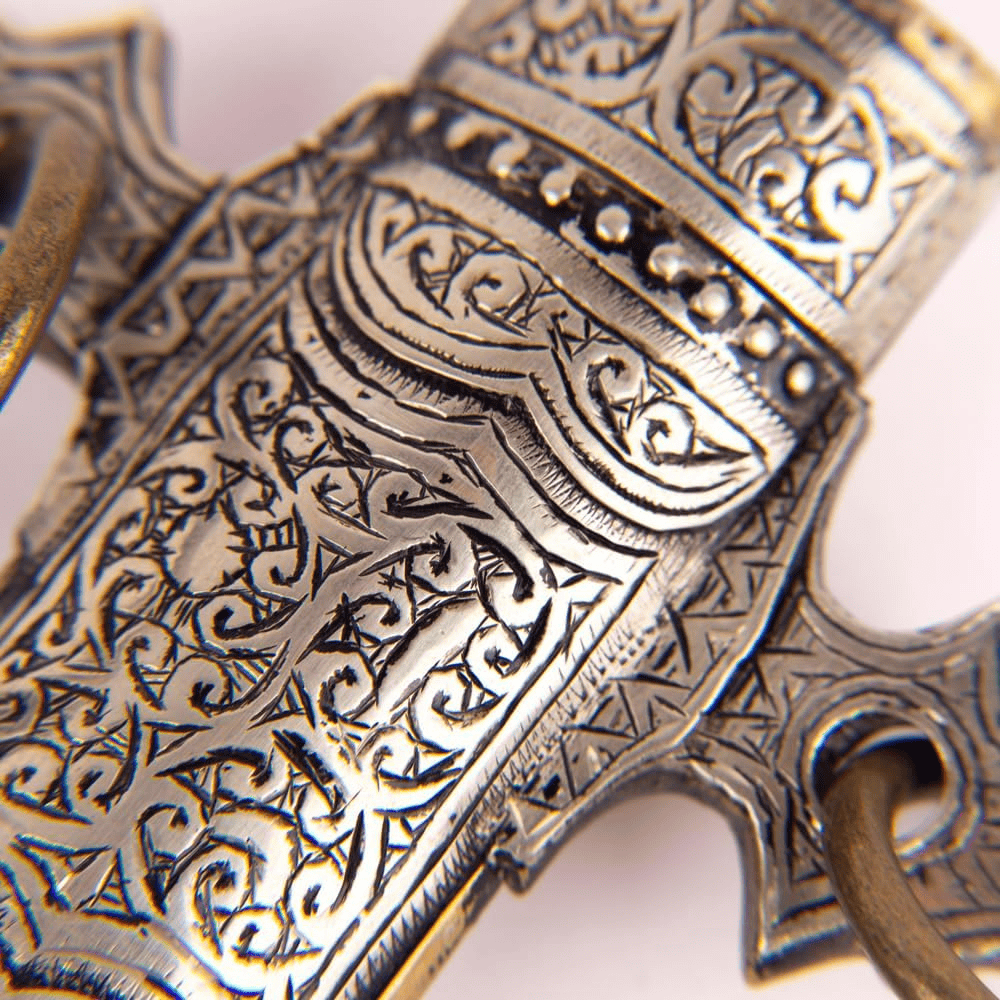
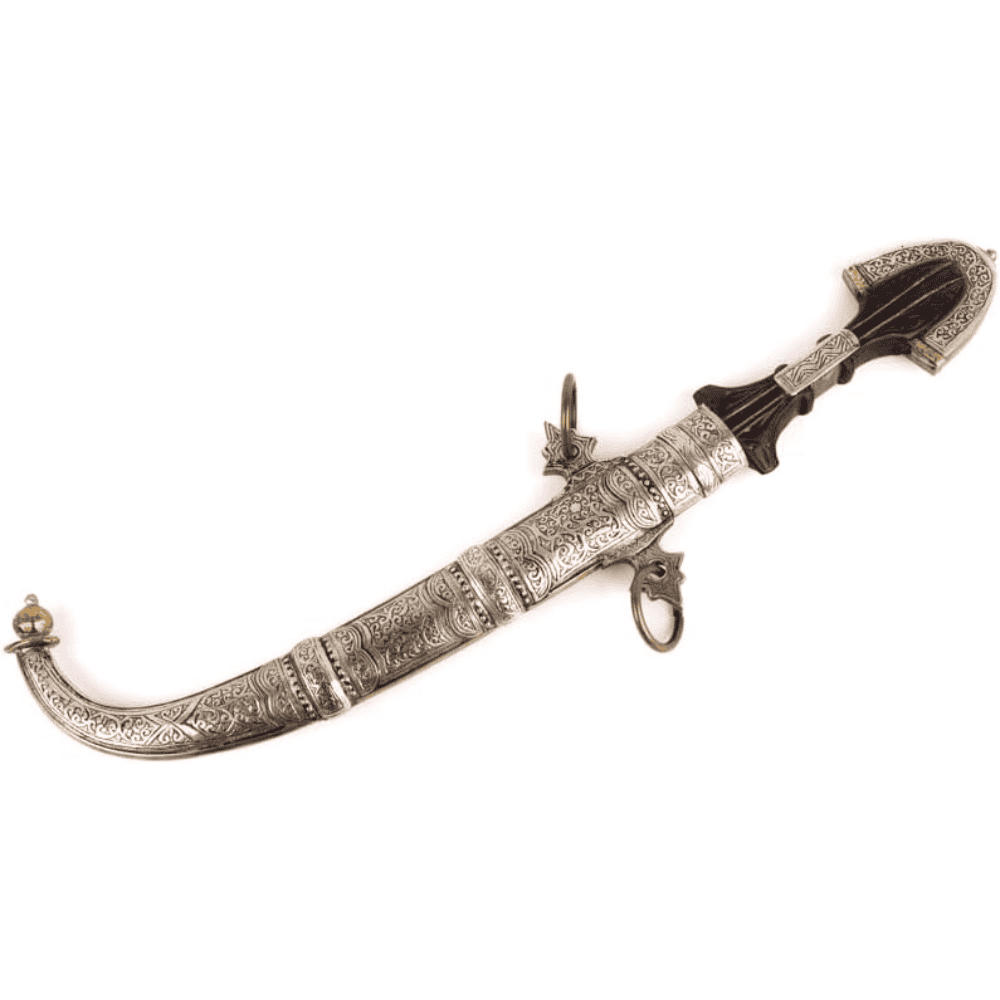
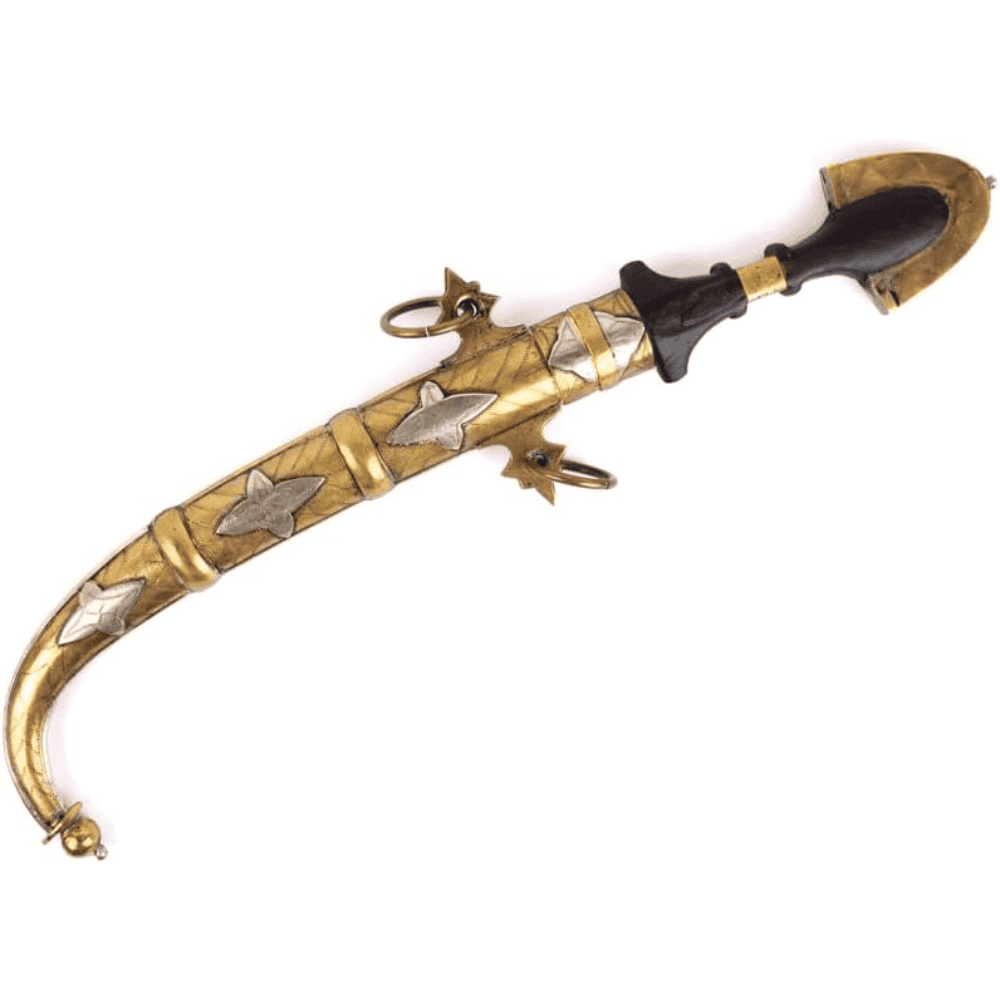
This Moroccan Koummya is a traditional handcrafted dagger deeply connected to Berber and Arabic heritage. Its form follows the historic Jambiya lineage, recognized by a curved blade and a strong symbolic role rather than practical combat use. For collectors, value comes from cultural accuracy, visible handwork, and historical meaning instead of modern precision. The Koummya has long represented social position, elegance, and group identity in Morocco, often worn alongside traditional clothing such as the djellaba.
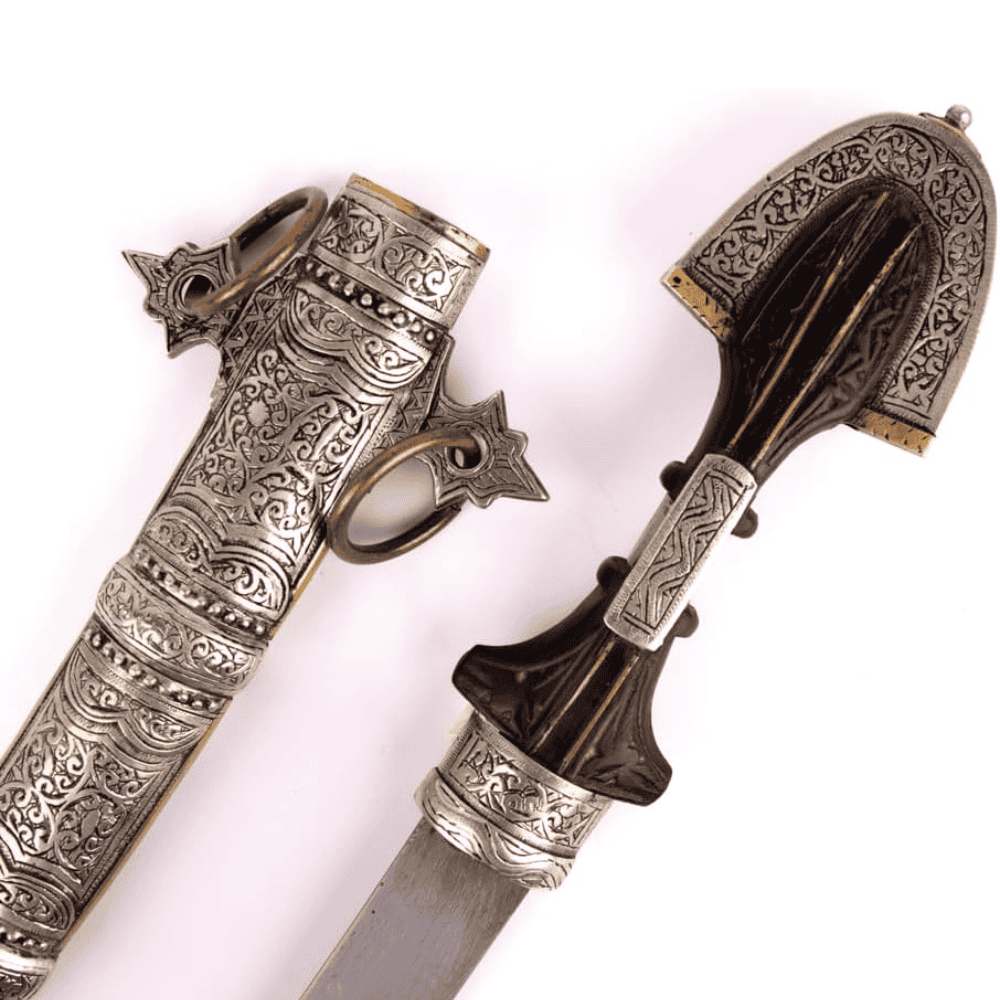
Material choices reinforce this identity. The stainless steel blade offers durability and resistance to environmental wear, while the handle incorporates camel bone, a material historically used in North African craftsmanship. Minor imperfections, light surface rust, or subtle asymmetry are expected results of hand production and are widely appreciated as proof of authenticity. Rather than being a generic decorative knife, this dagger stands as a physical expression of Moroccan tradition and artisan skill.
- Traditional Moroccan Koummya design
- Connection to Berber and Arabic Jambiya heritage
- Handmade, non-industrial craftsmanship
- Cultural symbolism valued over utility
How does the blade material affect durability and long term display use?
The blade is crafted from stainless steel, selected for its balance between strength and ease of care. Compared to carbon steel, stainless steel offers improved resistance to corrosion, making it suitable for long-term indoor display. Minor rust may still appear due to handmade finishing or environmental factors, but this does not compromise structural integrity. Instead, it reflects traditional shaping and polishing methods.
The blade feels solid due to its thickness, while remaining visually balanced. Its curvature follows classic Koummya proportions rather than modern knife ergonomics, which is important for collectors seeking historical accuracy. Maintenance is simple and limited to light cleaning with a dry cloth. This combination allows the blade to retain its appearance over time without demanding specialized preservation.
- Stainless steel blade construction
- Resistant to corrosion in indoor environments
- Traditional curved Koummya blade profile
- Low maintenance requirements
Why is the black handle and bone material culturally significant?
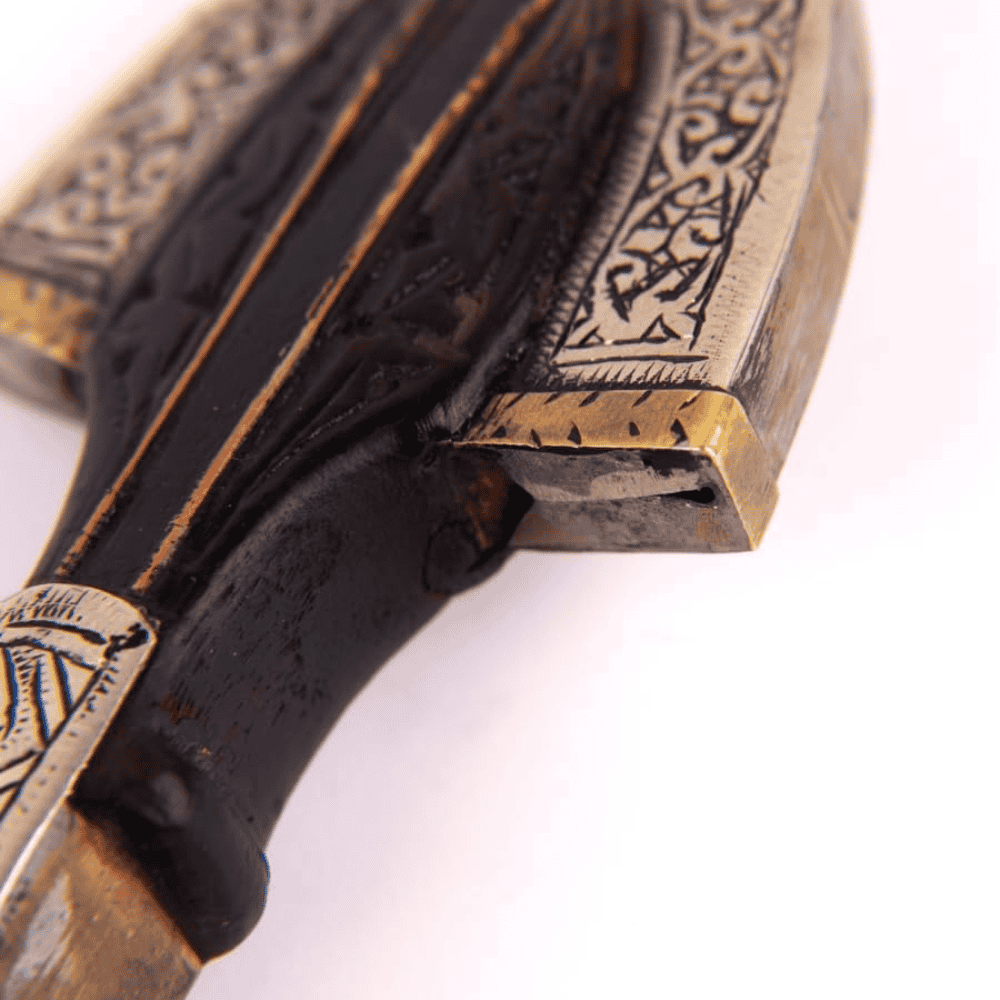
The handle reflects long-standing Moroccan craftsmanship practices, where natural materials such as camel bone were widely used for their durability and availability. Camel bone provides a dense and smooth surface that ages gradually, developing character over time. Slight variations in color and finish are normal and contribute to the individuality of each piece.
Beyond function, the handle represents identity, taste, and social standing, particularly among Chleuh Atlas communities. Historically, its shape and materials were selected to complement ceremonial clothing and traditional wear. The handle’s proportions balance the blade visually and structurally, ensuring the dagger rests correctly within its scabbard when displayed or worn.
- Camel bone handle material
- Black finish with natural variation
- Berber and Atlas cultural symbolism
- Balanced proportions for display
How accurate are the dimensions and why do they matter for authenticity?
The proportions of this Koummya closely follow traditional Moroccan standards. Its overall size offers presence without appearing exaggerated, preserving the classic silhouette associated with authentic examples. Accurate blade and handle proportions are important, as incorrect sizing often signals decorative reproductions rather than culturally grounded artifacts.
The scabbard length allows the blade to sit securely while maintaining the forward-angled tip typical of traditional wear. This detail reflects historical use, where the dagger was worn on the left side and suspended by cords from the shoulder. Correct dimensions ensure the piece looks appropriate in a display case, on a wall, or alongside other North African cultural items.
- Historically aligned overall proportions
- Balanced blade and handle relationship
- Traditional forward-angled scabbard fit
- Authentic visual presentation
What role does the scabbard play beyond simple storage?
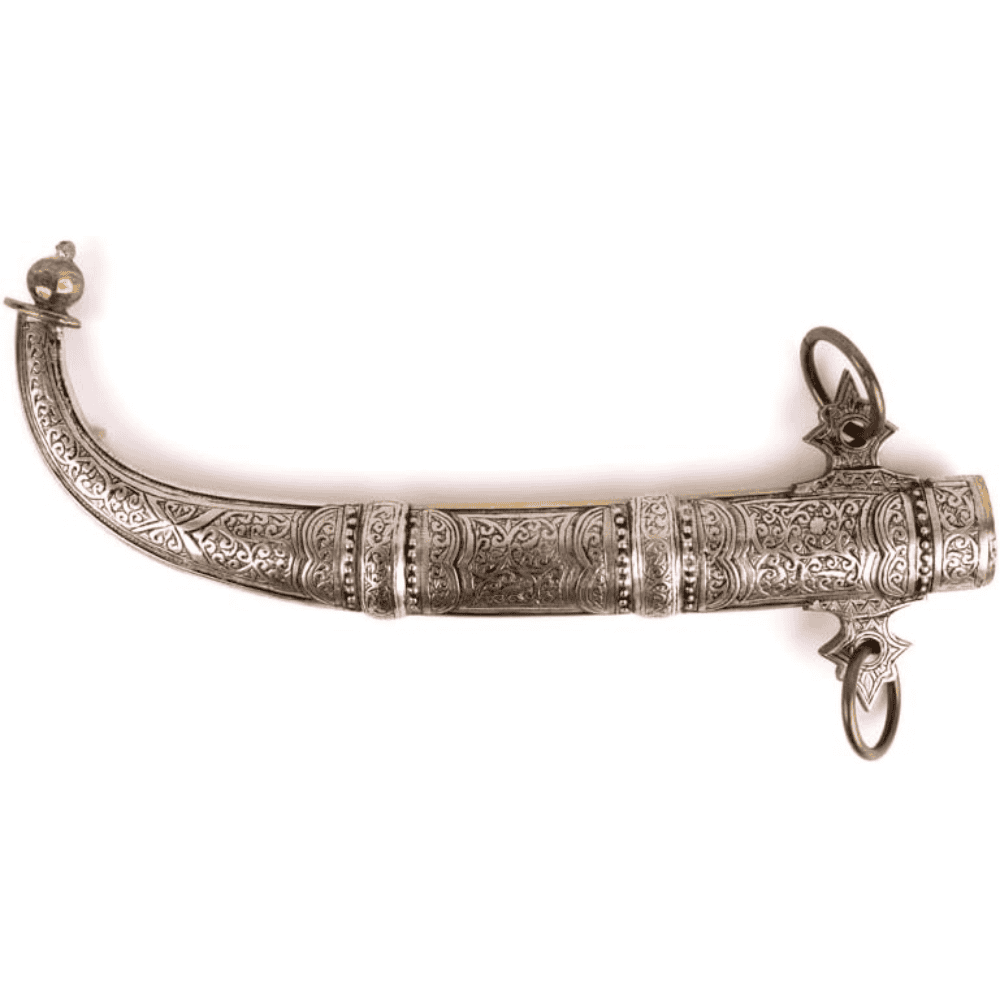
The scabbard is a central visual and cultural element of the Koummya. It does more than protect the blade; it defines how the dagger is presented and understood. Traditionally, the forward-pointing tip communicates refinement and social standing rather than aggression. Its shape and length are carefully matched to the blade to maintain harmony.
In display settings, the scabbard supports storytelling. A fully sheathed dagger conveys restraint and ceremonial value, while a partially exposed blade highlights craftsmanship without appearing confrontational. It also limits dust and moisture exposure, supporting long-term preservation while keeping the piece complete and culturally accurate.
- Traditional forward-pointing scabbard design
- Enhances ceremonial and cultural presentation
- Protects blade during storage and display
- Supports historical accuracy
Why are handmade imperfections considered a positive feature?
Handmade Moroccan items are valued because they show human involvement rather than mechanical uniformity. Small variations in polish, alignment, or surface texture reflect traditional methods and manual skill. Minor rust marks or uneven finishes are not flaws but natural outcomes of working with metal and bone by hand.
For collectors, these details confirm originality. Each dagger is unique, carrying subtle differences that distinguish it from mass-produced decorative pieces. This individuality often adds long-term interest and character, especially for those focused on ethnographic or cultural collections.
- Visible handmade character
- No factory-level uniformity
- Evidence of traditional artisan methods
- Individual character and appeal
How does this dagger fit into Islamic and Arabic decorative traditions?
The Koummya belongs to the wider family of Arabic Jambiya daggers found across North Africa and the Arabian Peninsula. Within Islamic decorative traditions, such daggers symbolize honor, identity, and social position rather than conflict. Displaying a Koummya reflects respect for heritage and historical craftsmanship.
In interior settings, it pairs naturally with Islamic calligraphy, traditional textiles, and wood or metal décor. Its curved form and natural materials integrate well into Moroccan and Middle Eastern design themes, functioning as a cultural object rather than an aggressive weapon.
- Part of the Arabic Jambiya tradition
- Symbolic Islamic cultural object
- Suitable for heritage-focused interiors
- Ceremonial, non-aggressive meaning
What should buyers know about color variation and visual differences?
Color variation is expected due to natural materials, lighting conditions, and screen settings. Bone, metal, and handmade finishes react differently to light, which can result in slight visual differences between photographs and the actual item.
These variations indicate authenticity rather than inconsistency. Images should be viewed as references, not exact duplicates. Any visible marks shown are part of the described condition, supporting informed expectations for handmade cultural objects.
- Natural variation in color and finish
- Lighting influences appearance
- Photos serve as visual references
- Handcrafted finish authenticity
Who is this Moroccan dagger best suited for?
This Koummya suits collectors, cultural enthusiasts, interior decorators, and individuals with an interest in Moroccan or Islamic heritage. It is not intended for modern practical use, but rather as a display piece or symbolic artifact.
Those who value historical accuracy, handmade construction, and cultural meaning will appreciate its role. It also works well as a heritage-focused gift where tradition and craftsmanship matter more than functionality.
- Cultural artifact collectors
- Moroccan and Islamic décor enthusiasts
- Display-oriented buyers
- Heritage-focused gift recipients
How should this Koummya be stored and maintained over time?
Proper storage supports long-term preservation. Keeping the dagger in a dry indoor environment reduces moisture exposure. Light wiping with a dry cloth helps maintain surface appearance, while harsh chemicals should be avoided to protect bone and metal finishes.
If light rust appears, gentle non-abrasive cleaning is sufficient. Displaying the dagger within its scabbard adds protection and preserves traditional presentation. With basic care, the piece retains its visual and cultural integrity over time.
- Dry indoor storage recommended
- Simple cloth-based cleaning
- Avoid chemical cleaners
- Scabbard-supported display protection
Reviews
There are no reviews yet.