

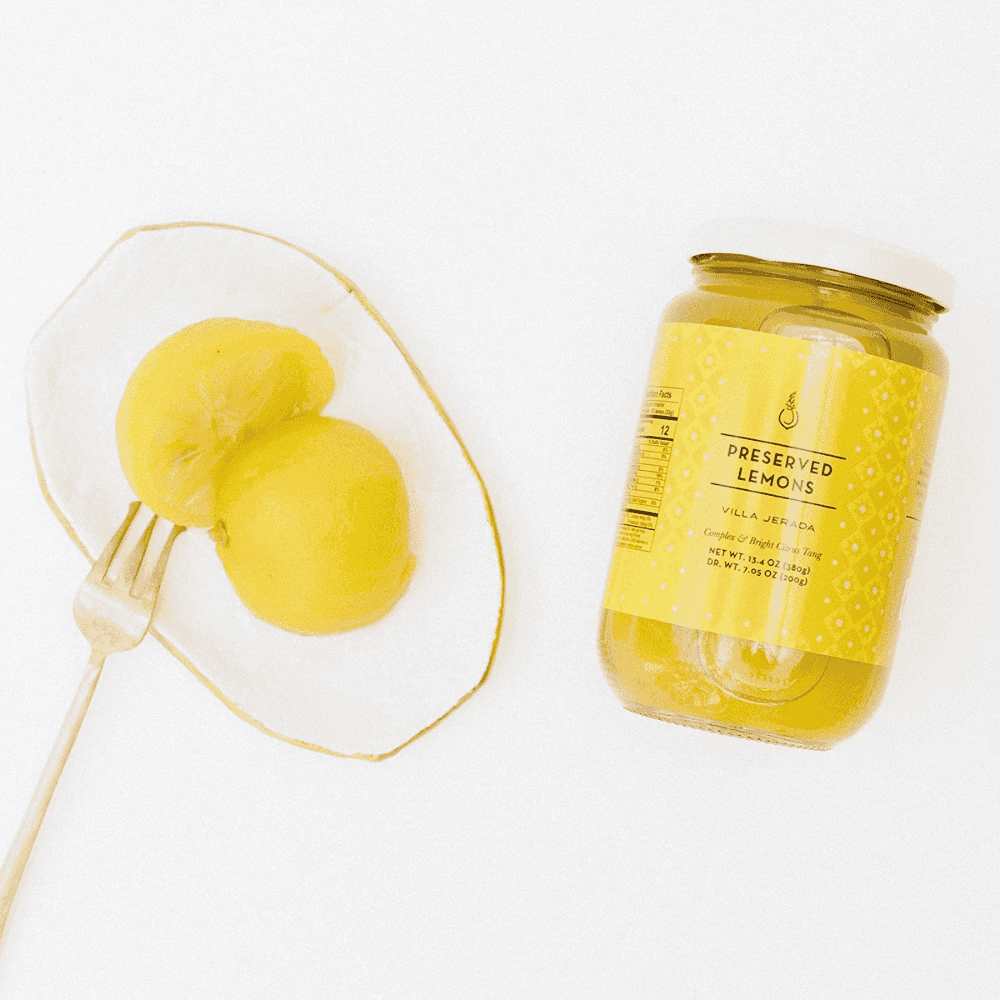
What defines preserved lemons as a Moroccan culinary foundation?

Preserved lemons are not a garnish or a trend-driven ingredient. They are a structural element in Moroccan cooking, built on function rather than decoration. Villa Jerada preserved lemons follow a long-standing method using small Beldi lemons, salt, and controlled time. The process transforms natural lemon acidity into a layered citrus profile with gentle bitterness and noticeable umami depth. This transformation is the core feature. The benefit is a citrus ingredient that seasons dishes from within instead of sitting on the surface. This matters when building depth in slow-cooked meals such as tagines, stews, and braises. The preserved skin becomes soft and aromatic, allowing thin slicing or fine dicing without harsh sharpness. The result is balance. Salt draws moisture from the lemon while fermentation reshapes flavor, explaining why preserved lemons remain central in North African kitchens.
- Traditional preservation using salt and time
- Built for depth rather than sharp acidity
- Acts as a structural seasoning ingredient
- Designed for slow and layered cooking
How does the Beldi lemon variety influence flavor and texture?
Beldi lemons are smaller, thicker-skinned, and more aromatic than common commercial lemons. This physical structure directly affects preservation results. Thick skin absorbs salt gradually, softens evenly, and holds essential oils longer during fermentation. The feature is density. The benefit is controlled flavor release during cooking. Thin commercial lemon skins often break down too quickly, losing structure and aroma. With Beldi lemons, the rind stays intact yet tender, making it usable as the primary edible portion. Preserved lemon skin carries most of the flavor, while the flesh becomes softer and suitable for blending. Using consistent raw material ensures stable aroma, salt balance, and texture across jars, supporting repeatable cooking results.
- Small, thick-skinned Beldi lemons
- High essential oil concentration
- Stable texture after preservation
- Reliable flavor consistency
Why does salt-based preservation create umami depth?
Salt preservation does more than extend shelf life. Over time, it triggers enzymatic changes that soften bitterness and build savory depth. The feature is controlled fermentation without additives. The benefit is umami complexity that enhances food without overwhelming it. Unlike fresh lemon juice, which adds immediate sharpness, preserved lemon delivers rounded citrus flavor. This makes it suitable for protein-rich dishes, legumes, and vegetable-based meals. Salt draws moisture from the lemon, breaks down cell walls, and allows natural compounds to mature. The result is citrus that behaves more like a seasoning paste than an acid, supporting balanced cooking.
- Natural fermentation through salt
- No artificial enhancers
- Umami-forward citrus profile
- Supports balanced seasoning
How can the outer lemon peel be used in cooked dishes?
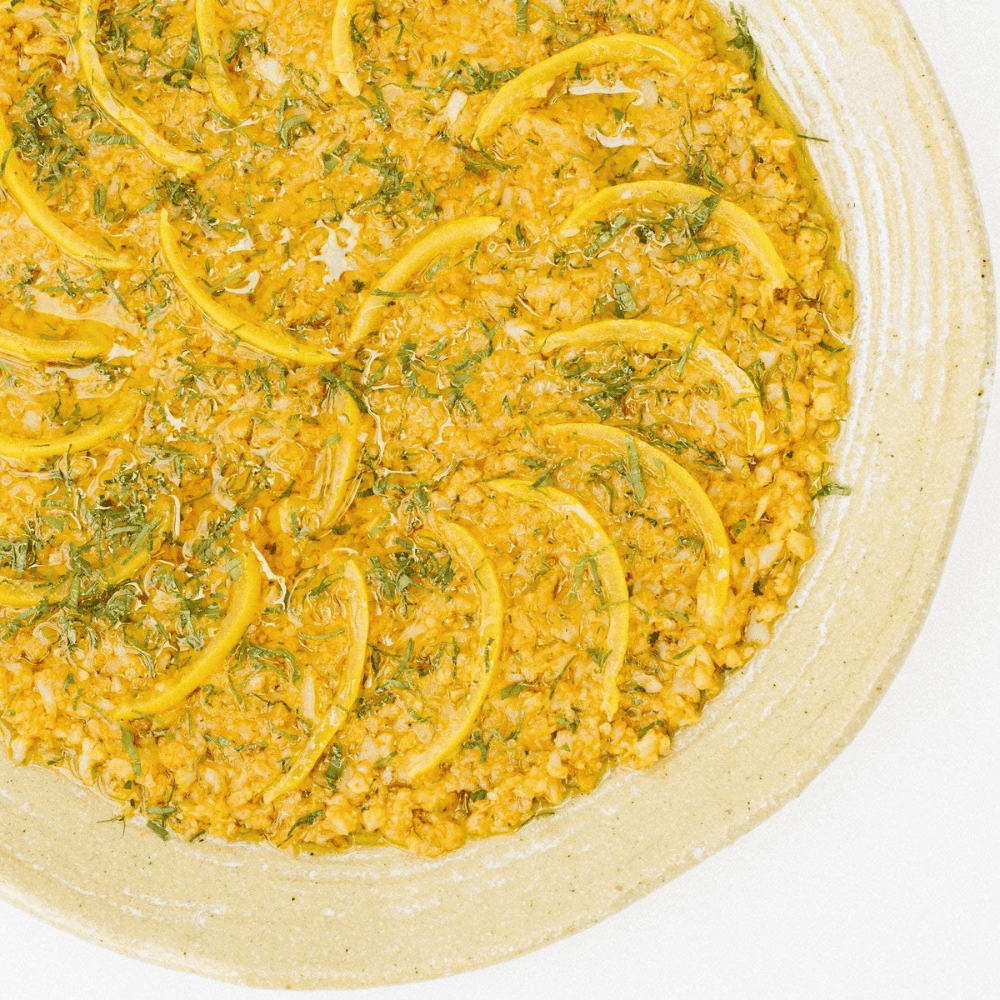
The preserved outer peel is the most valued part of the jar. After a light rinse, it becomes soft, fragrant, and easy to cut. The feature is versatility. The benefit is controlled citrus flavor in heat-based cooking. Thin slices melt into sauces, while diced peel distributes evenly through braises. In tagines, the peel releases aroma gradually, matching long cooking times and avoiding sharp citrus spikes. Texture matters because preserved peel integrates into dishes rather than floating on the surface, making it reliable for both stovetop and oven cooking.
- Softened peel for slicing or dicing
- Stable under long heat exposure
- Balanced citrus release
- Designed for tagines and stews
How does the inner lemon flesh function differently from the peel?
The inner flesh of preserved lemons is softer, saltier, and less aromatic than the peel. Its feature is solubility. The benefit is smooth integration into cold or semi-cold preparations. When smashed or blended, the flesh dissolves into dressings, vinaigrettes, and marinades without fibrous texture. This allows citrus flavor to spread evenly through liquids. Fermented acidity behaves gently with oils and herbs, making the flesh suitable for salad dressings, grain bowls, and seafood marinades where subtle seasoning is preferred.
- Soft, blendable interior
- Ideal for emulsions
- Even flavor distribution
- Reduced sharp acidity
Why does this ingredient suit vegetarian and gluten-free cooking?
Preserved lemons add depth without relying on animal-based stock or wheat-based thickeners. The feature is flavor density. The benefit is satisfaction in plant-forward dishes. In vegetarian cooking, umami can be difficult to achieve without cheese or fermented soy. Preserved lemon provides that depth naturally. It enhances lentils, chickpeas, roasted vegetables, and grains without masking their natural taste. Being naturally vegetarian and gluten-free, it fits easily into restricted diets while remaining technically functional.
- Naturally vegetarian
- Gluten-free by composition
- Supports plant-based umami
- No dependency on additives
How does jar packaging preserve quality and usability?
Glass jar packaging protects flavor integrity during storage. The feature is non-reactive containment. The benefit is stable taste over time. Acidic and salty ingredients can interact with plastic or metal, causing flavor distortion. Glass prevents this while allowing visual inspection of lemon quality, color, and brine clarity. The resealable lid supports repeated use without drying or oxidation, maintaining consistent performance throughout the jar’s life.
- Non-reactive glass jar
- Flavor stability over time
- Visual quality inspection
- Resealable for repeated use
How does portion size affect kitchen practicality?
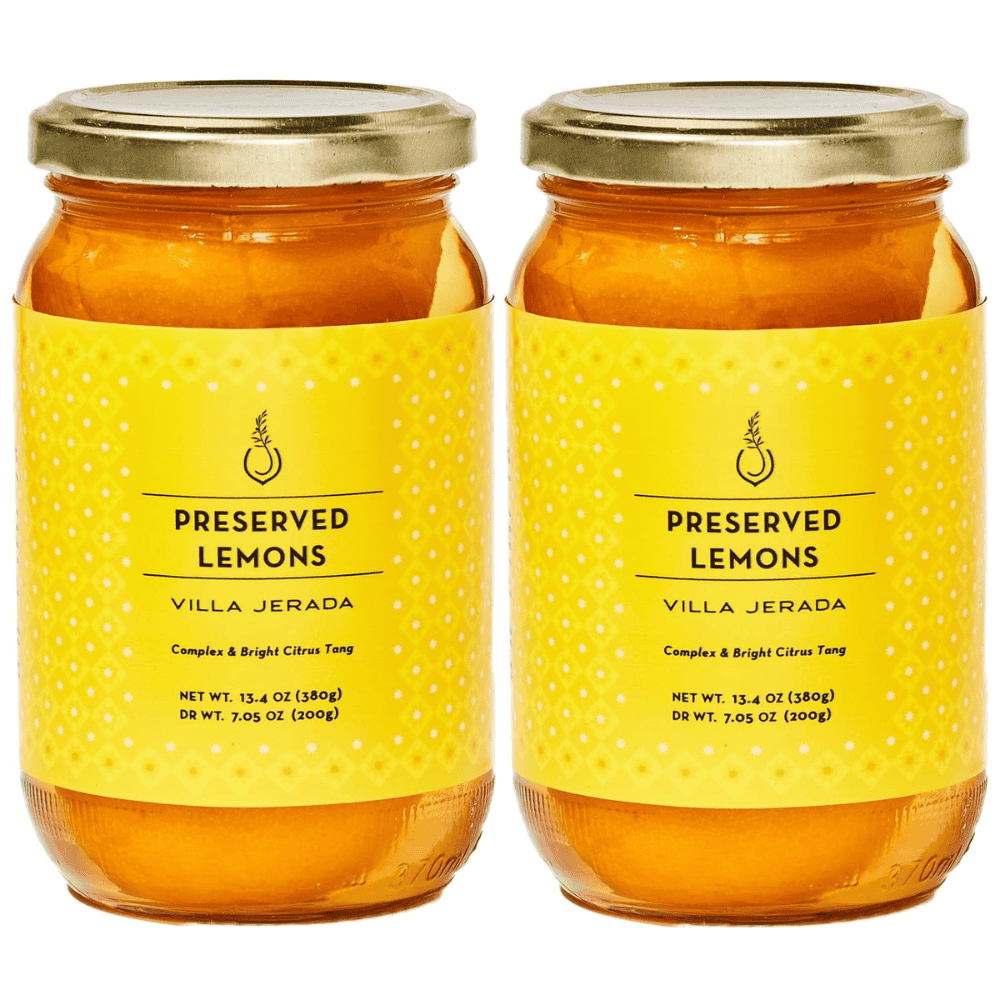
The dual-jar format supports regular use without waste. The feature is quantity balance. The benefit is flexibility. One jar can remain sealed while the other is in use, preserving freshness. Preserved lemons are typically used in small amounts, making oversized containers impractical. Single-jar and multi-jar options allow alignment with cooking frequency, supporting kitchen efficiency and consistent flavor quality.
- Practical multi-jar format
- Reduced exposure risk
- Suitable for frequent or occasional use
- Supports long-term storage
How does this product integrate into non-Moroccan cuisines?
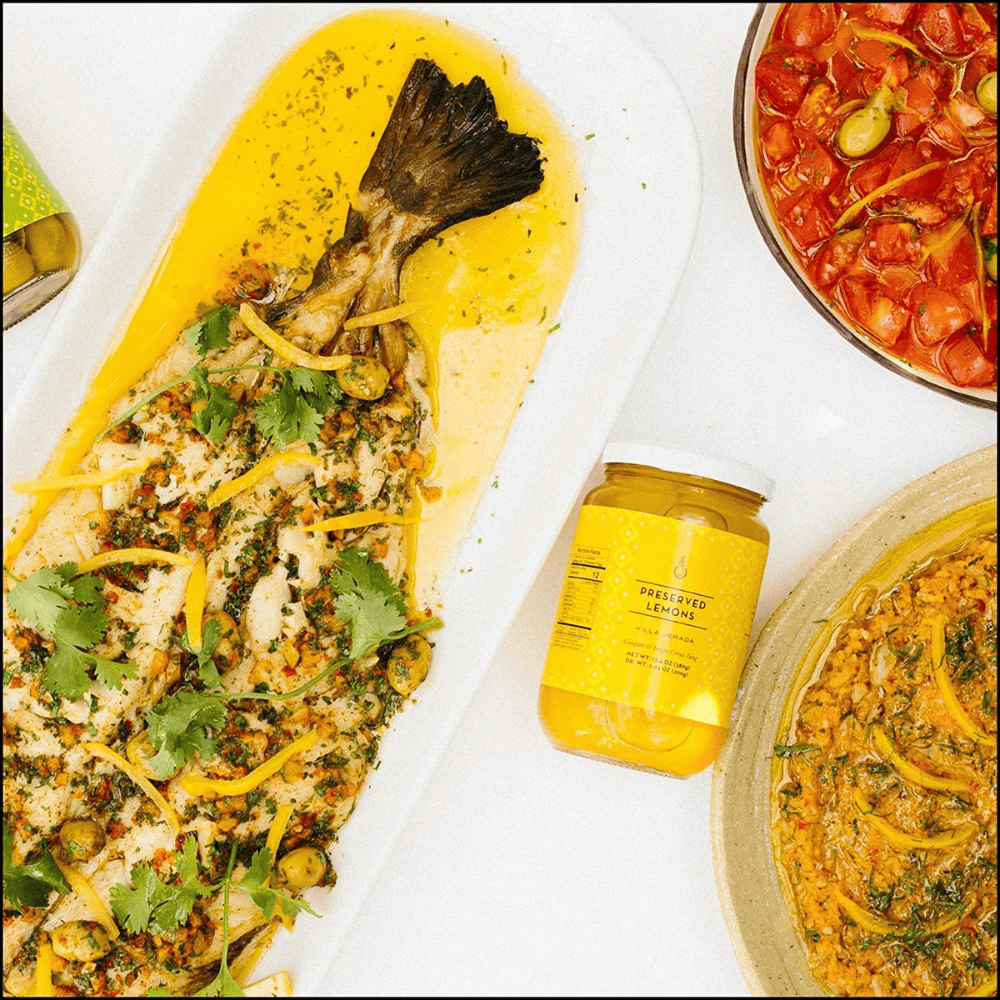
Preserved lemons extend beyond Moroccan recipes. The feature is adaptability. The benefit is cross-cuisine use. They work well in Mediterranean, Middle Eastern, and modern fusion cooking. Added to roasted poultry, grain salads, seafood, or yogurt-based sauces, preserved lemon delivers brightness without excessive acidity. Fermented citrus interacts well with fats, herbs, and proteins, making it a flexible seasoning tool rather than a niche ingredient.
- Works beyond Moroccan cooking
- Compatible with global flavors
- Enhances proteins and grains
- Flexible seasoning tool
What makes this preserved lemon product reliable for repeat cooking?
Consistency is essential in cooking. The feature is controlled traditional preparation. The benefit is predictable results. Using the same lemon variety, salt method, and aging process ensures similar flavor intensity from jar to jar. This allows recipes to be repeated without adjustment. Reliable ingredient behavior supports efficient cooking and dependable outcomes.
- Consistent lemon variety
- Stable preservation method
- Predictable flavor output
- Reliable for repeated recipes
Reviews
There are no reviews yet.