

What Makes Belazu Beldi Preserved Lemons Different From Regular Lemons?
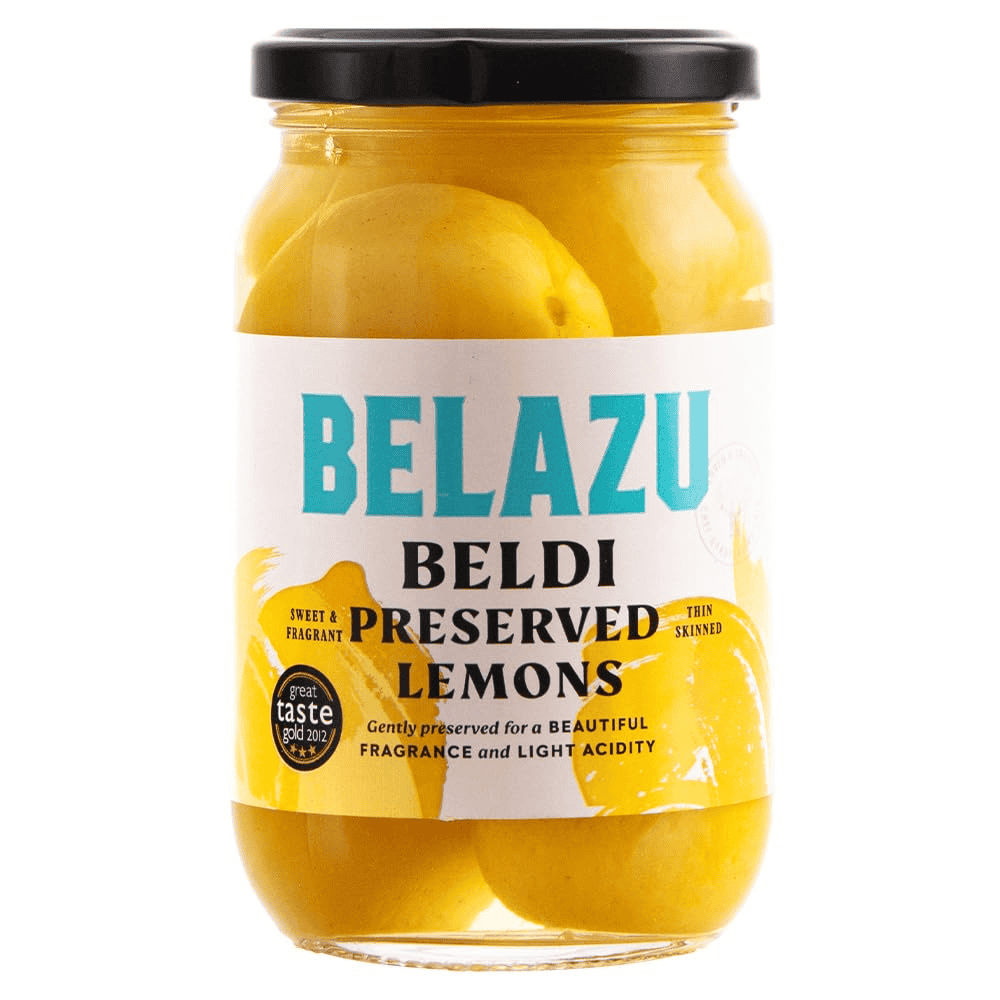
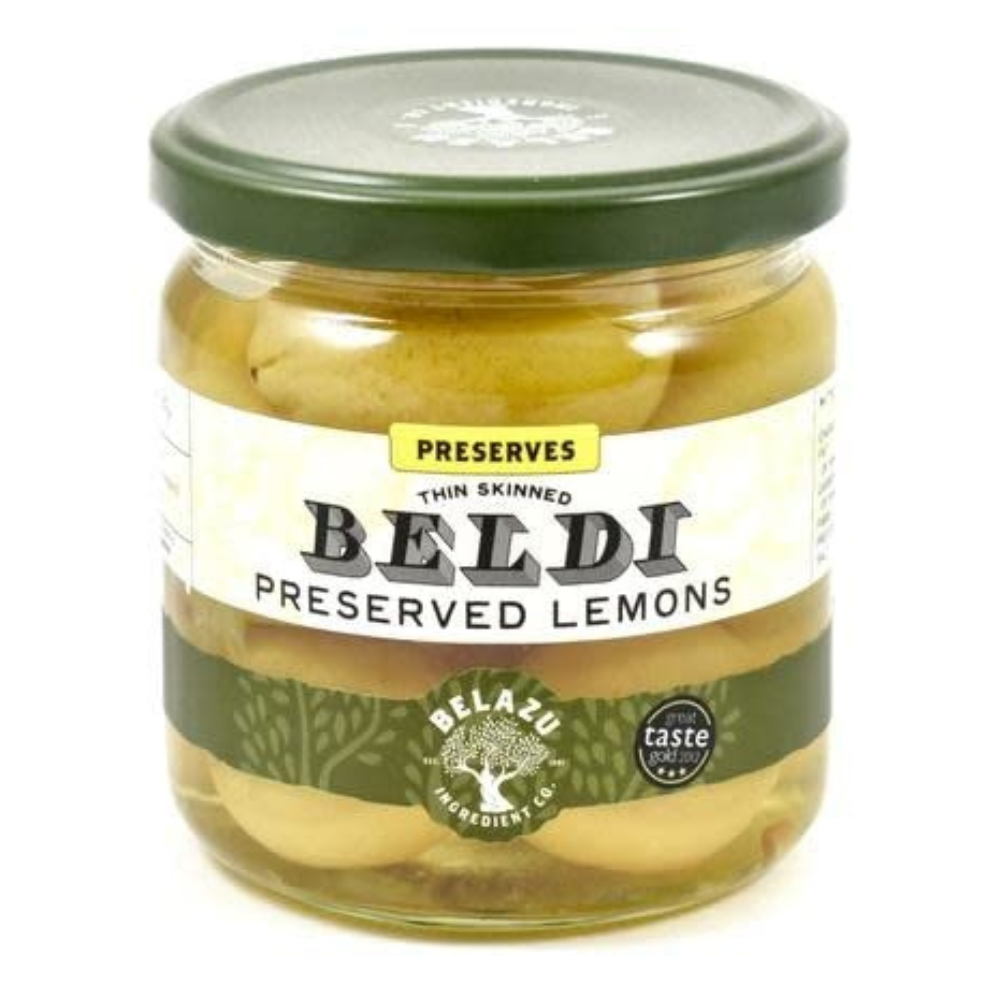
Belazu Beldi Preserved Lemons are prepared using a traditional Moroccan preservation method that transforms small thin-skinned lemons into a rich savory ingredient. Instead of tasting sharp and acidic like fresh lemons, preserved lemons develop a deeper citrus flavor with a mild salty finish and subtle fermented notes. The curing process softens the rind, making it tender enough to slice directly into recipes without bitterness.
During cooking, preserved lemons release aromatic citrus oils slowly into the dish. This creates more depth than fresh lemon juice, which often loses intensity under heat. The preserved peel becomes the main usable part because it contains concentrated fragrance and savory flavor that spreads naturally through sauces, couscous, tagines, soups, seafood, and roasted chicken dishes.
Belazu uses hand sorted lemons to maintain consistent texture and quality. The balanced salty-acidic profile works especially well in Mediterranean and Moroccan cooking because it adds citrus brightness without becoming overpowering.
- Traditional Moroccan preserved lemon preparation
- Thin-skinned lemons with tender peel
- Strong citrus aroma and savory depth
- Salt-cured for concentrated flavor
- Suitable for slow cooking and roasting
- Balanced acidity instead of harsh sharpness
Why Do Moroccan Preserved Lemons Work So Well In Savory Cooking?
Moroccan preserved lemons are widely used because they improve savory dishes without adding excessive sourness. When sliced into chicken, lentils, couscous, vegetables, or seafood, the preserved rind spreads citrus flavor gradually during cooking. The texture softens enough to blend naturally into broths, sauces, and stews.
This ingredient works particularly well with warm spices such as turmeric, cumin, saffron, ginger, paprika, and cinnamon. Fresh lemon juice can sometimes taste too sharp beside these spices, while preserved lemons create a smoother and more integrated flavor. The curing process softens the acidity and increases aromatic intensity at the same time.
Belazu Beldi Preserved Lemons pair especially well with roast chicken because poultry absorbs citrus oils slowly during roasting. Small strips under the skin or inside stuffing add savory depth without needing complicated seasoning blends. Vegetarian meals also benefit from preserved lemons because they brighten grains, chickpeas, olives, potatoes, and roasted vegetables without overpowering the dish.
- Ideal for Moroccan and Mediterranean recipes
- Complements warm spices naturally
- Works with chicken, seafood, and vegetables
- Adds savory citrus complexity
- Useful in stews, tagines, and rice dishes
- Small quantities create noticeable flavor
How Does The Flavor Taste Compared To Fresh Lemon Juice?
The flavor of preserved lemons differs greatly from fresh lemon juice. Fresh lemons taste bright and acidic, while preserved lemons develop a deeper savory citrus profile during the curing process. The result feels more mellow, slightly salty, aromatic, and rounded.
The preserved rind contains most of the flavor. Instead of sharp tartness, the peel delivers concentrated citrus notes combined with natural saltiness. This makes preserved lemons easier to use in long cooking methods such as roasting, simmering, braising, and slow cooking.
Belazu preserved lemons maintain a lightly acidic finish that does not overpower recipes. The aroma also stays stronger during cooking compared to fresh lemon juice, which can fade quickly under heat. Many people compare the flavor to a mix of lemon zest, mild pickled citrus, and savory seasoning.
The product works especially well with olive oil, garlic, parsley, coriander, thyme, olives, and onions. Only a few slices are needed to season an entire dish effectively.
- Savory citrus taste instead of strong sourness
- Mild fermented depth from curing process
- Strong fragrance during cooking
- Softer acidity than fresh lemon juice
- Rind contains concentrated flavor
- Useful as seasoning and garnish
How Can These Preserved Lemons Be Used In Everyday Meals?
Preserved lemons are highly versatile and work in both traditional Moroccan recipes and modern everyday meals. Small slices can be added to rice, salads, pasta, roasted vegetables, grilled meats, sandwiches, and grain bowls to increase flavor complexity.
For chicken dishes, preserved lemon slices can be placed inside the cavity before roasting or mixed into marinades with olive oil and garlic. During cooking, the citrus oils slowly infuse the meat and create more depth than adding lemon juice afterward.
In couscous and vegetable dishes, finely chopped preserved lemon peel balances earthy ingredients like chickpeas, carrots, potatoes, and lentils. Seafood recipes also benefit because preserved lemons brighten the flavor while reducing heavy fishy notes.
Quick meals become more flavorful with small amounts of preserved lemon. Chopped peel mixed into yogurt creates a savory sauce for wraps and grilled vegetables, while thin strips added to vinaigrettes provide more depth than regular citrus dressing.
- Suitable for roasting, grilling, and stewing
- Pairs well with couscous and tagines
- Useful in marinades and dressings
- Works in quick meals and sauces
- Enhances chicken and seafood recipes
- Concentrated flavor requires small portions
Why Is The Texture Important In Preserved Lemons?
The texture of preserved lemons changes completely during curing. Fresh lemon peel is often too bitter and firm for generous use in recipes, while preserved lemon rind becomes soft, tender, and fully edible.
Belazu Beldi Preserved Lemons are hand sorted and graded for consistency. Thin-skinned lemons cure more evenly, resulting in a softer peel that slices easily and distributes flavor smoothly through recipes.
In slow-cooked dishes such as tagines and braised meals, preserved lemon pieces soften further and release aromatic oils gradually into sauces and broths. Instead of remaining as separate chunks, the citrus integrates naturally into the dish itself.
The softer texture also allows preserved lemons to work in dips, herb sauces, grain bowls, and spreads without creating bitterness or chewiness. This balance between texture and flavor is one reason preserved lemons remain popular in Moroccan cuisine.
- Tender edible rind after curing
- Thin-skinned lemons soften evenly
- Blends smoothly into cooked dishes
- Less bitterness than fresh peel
- Easy to slice and chop finely
- Gradual flavor release during cooking
Is This Product Suitable For Gluten-Free And Dairy-Free Diets?
Belazu Beldi Preserved Lemons are suitable for gluten-free and dairy-free diets, making them practical for many cooking styles and ingredient preferences. Since preserved lemons rely mainly on lemons, salt, and curing methods rather than processed additives, the ingredient profile stays relatively simple.
This simplicity helps create stronger flavor without depending on cream sauces, processed seasonings, or heavy ingredients. Preserved lemons naturally increase aromatic depth while keeping recipes balanced and lighter.
The product also fits well into plant-based cooking because it creates savory complexity without meat-based flavor enhancers. Lentils, grains, beans, roasted vegetables, and salads gain brightness and depth from small amounts of preserved lemon peel.
Another practical advantage is long-lasting storage inside the jar. Small portions can be used over multiple meals, reducing waste compared to fresh lemons that dry out or spoil quickly after opening.
- Gluten-free and dairy-free
- Simple preserved ingredient style
- Useful in plant-based cooking
- Adds flavor without heavy sauces
- Long-lasting jar storage
- Practical for repeated meal use


Reviews
There are no reviews yet.