

Why Is This Book Considered One of the Most Complete Guides to Moroccan Cuisine?
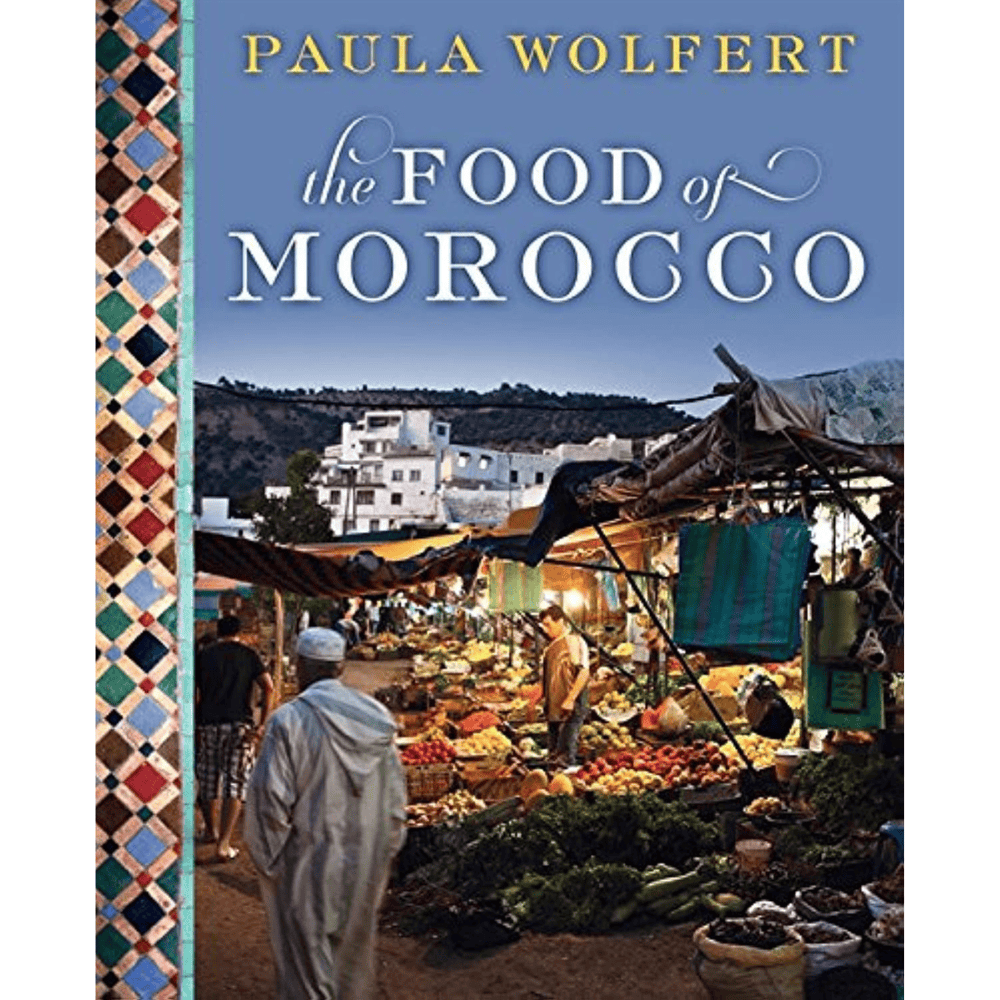
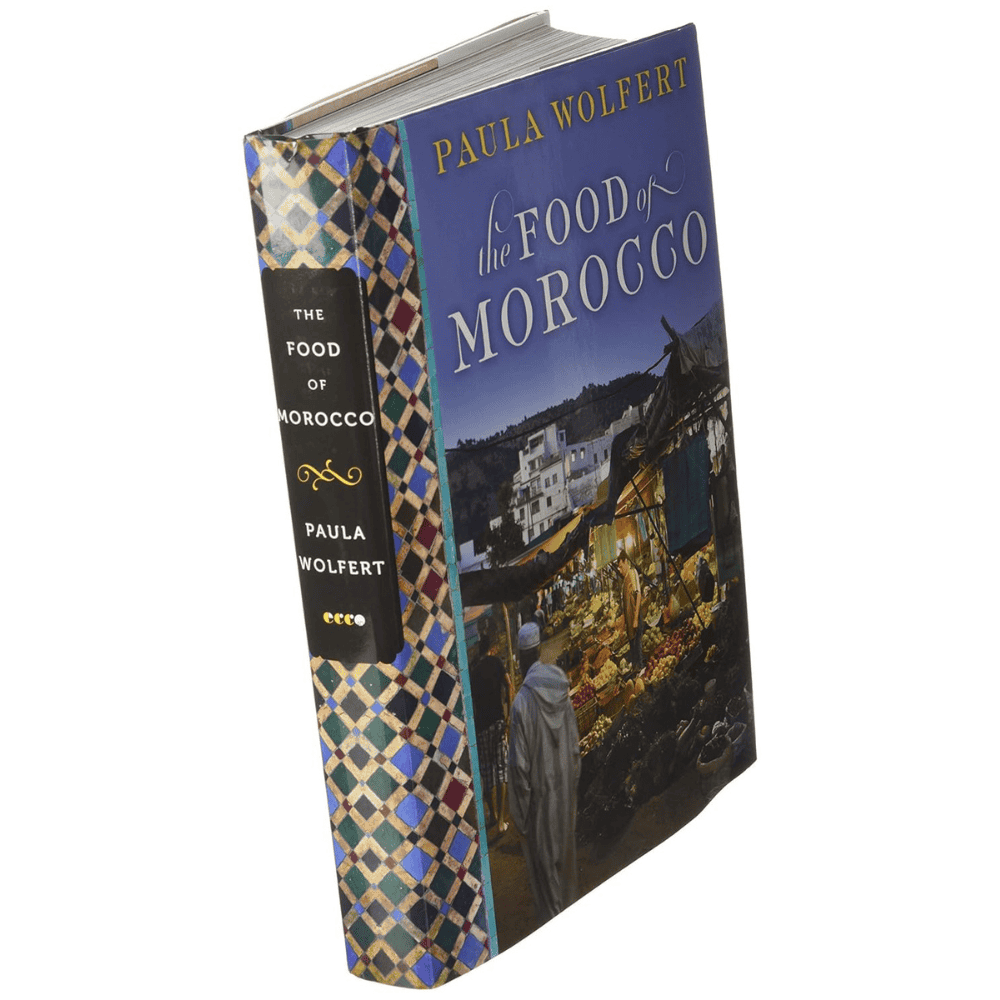
The Food of Morocco: A Definitive Guide to Moroccan Cooking, Culture, and Tantalizing Mediterranean Recipes is an illustrated reference that combines traditional recipes, culinary history, regional food culture, and practical cooking techniques into a single volume. Written by James Beard Lifetime Achievement Award winner Paula Wolfert, the book reflects more than forty years of research across Morocco. Rather than presenting only recipes, it explains why ingredients are used, how regional traditions developed, and how authentic Moroccan cooking differs from simplified international versions.
The 528-page hardcover covers everyday family meals, festive celebrations, street food, breads, tagines, couscous, soups, preserved foods, desserts, beverages, and traditional preparation methods. Each chapter builds knowledge step by step, making the content valuable for beginners while offering depth that experienced cooks can appreciate. The combination of practical instruction and cultural explanation creates a resource that remains useful long after individual recipes have been prepared.
The full-color photography adds visual context by presenting ingredients, finished dishes, Moroccan architecture, local markets, traditional kitchens, and daily life throughout the country. Readers gain a better understanding of the environment where these recipes originated, making each dish more meaningful and easier to reproduce.
- Illustrated hardcover edition
- 528 informative pages
- Combines recipes with cultural history
- Suitable for beginners and experienced cooks
- English language edition
What Makes Paula Wolfert an Authority on Moroccan Cooking?
Paula Wolfert has spent decades researching Mediterranean and Moroccan cuisine through direct travel, interviews with local families, traditional cooks, market vendors, and regional specialists. Her work goes beyond collecting recipes by documenting cooking methods, ingredient selection, and the cultural traditions that influence Moroccan food.
This extensive field research allows recipes to preserve regional identity while remaining understandable for modern kitchens. Instead of shortening traditional techniques without explanation, the book explains when each method matters and how it affects texture, aroma, and flavor.
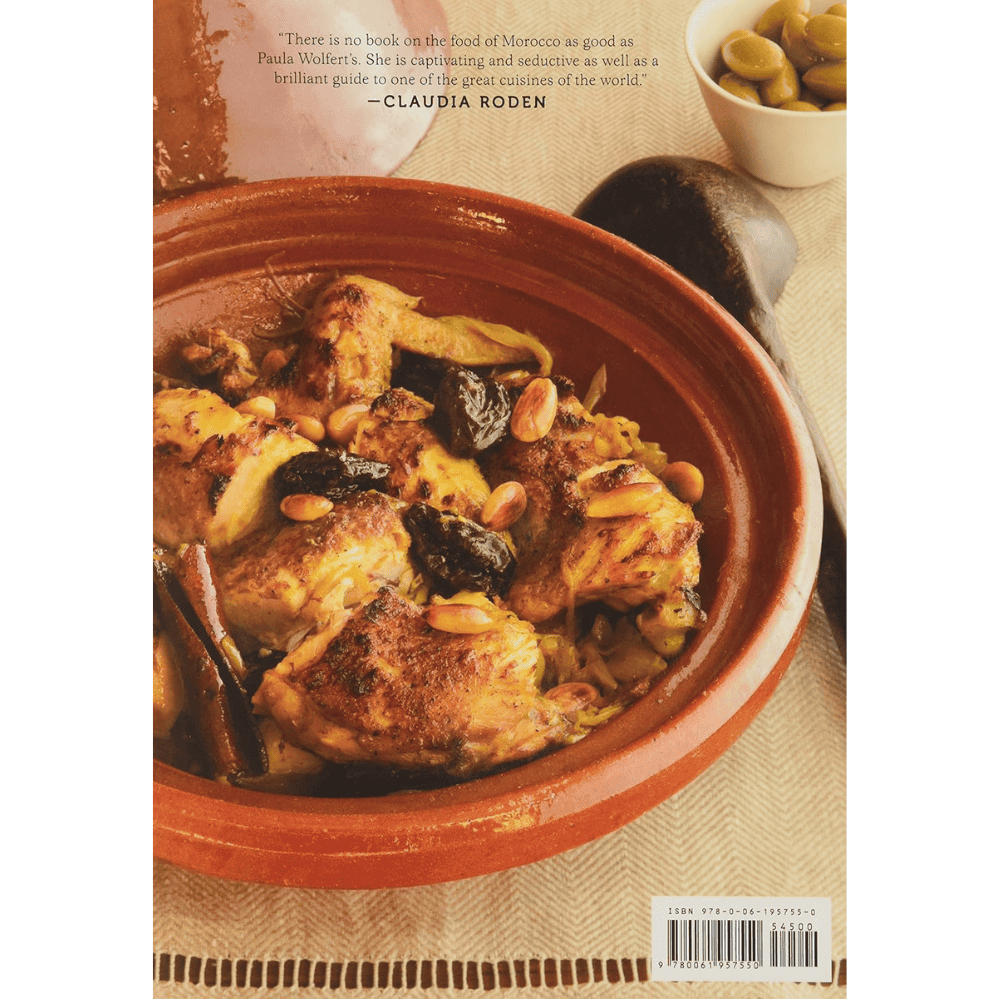
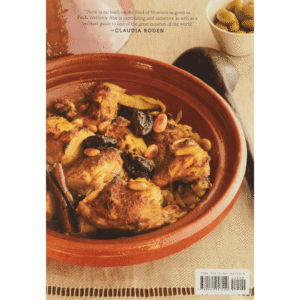
Recognition from respected culinary organizations, including the James Beard Foundation Lifetime Achievement Award, reflects the influence of her work within professional cooking. Praise from respected food writers further reinforces the book’s reputation as an educational culinary reference rather than simply another cookbook.
- Written after decades of research
- Focus on authentic Moroccan traditions
- James Beard Lifetime Achievement Award recipient
- Highly regarded by culinary professionals
- Educational and practical approach
Which Traditional Moroccan Recipes Are Included?
The collection introduces readers to a wide variety of Moroccan dishes representing different regions and occasions. Recipes include traditional breads, soups, tagines, couscous dishes, roasted meats, seafood, vegetables, preserved foods, desserts, pastries, and refreshing beverages. Many recipes originate from Berber, Arab, Jewish, Andalusian, and coastal culinary traditions that together define Moroccan cuisine.
Readers discover classics such as harira, preserved lemon chicken with olives, stuffed lamb with couscous and dates, regional breads, vegetable tagines, spice blends, and festive dishes served during religious celebrations and family gatherings. Every recipe includes practical preparation guidance that helps explain each stage instead of expecting prior experience.
The variety makes the book suitable for preparing simple weekday meals as well as elaborate dinners inspired by Moroccan hospitality and seasonal cooking.
- Traditional tagines
- Authentic couscous recipes
- Classic Moroccan soups
- Traditional breads
- Desserts and beverages
How Does the Book Explain Moroccan Ingredients and Spices?
Understanding ingredients is one of the strongest parts of this guide. Rather than listing spices without explanation, the book discusses how saffron, cumin, preserved lemons, argan oil, paprika, cinnamon, ginger, coriander, olives, dried fruits, fresh herbs, and aromatic waters contribute to traditional Moroccan flavor.
Readers also learn how ingredient quality changes the final dish, which substitutions work when authentic products are unavailable, and how traditional markets source fresh ingredients throughout Morocco. These explanations reduce uncertainty for cooks who may be unfamiliar with North African ingredients.
The educational approach transforms recipes into learning experiences by explaining the purpose behind every important ingredient instead of simply providing measurements.
- Ingredient explanations
- Traditional Moroccan spices
- Flavor balance guidance
- Ingredient substitution advice
- Cooking techniques included
How Does This Book Explore Moroccan Food Culture?
Moroccan cooking reflects history, geography, religion, agriculture, and family traditions. Throughout the book, essays explain how food developed across different regions including the Atlas Mountains, Atlantic coast, imperial cities, villages, and desert communities.
Readers gain insight into communal baking traditions, seasonal celebrations, family meals, tea ceremonies, market culture, and the role of hospitality within Moroccan society. These cultural sections help explain why recipes evolved in specific ways and why certain ingredients remain central to Moroccan cooking.
The cultural background adds context that many recipe collections overlook, making each chapter educational beyond the kitchen.
- Regional food traditions
- Moroccan culinary history
- Market culture
- Traditional hospitality
- Historical cooking influences
What Cooking Techniques Can Readers Learn?
Many traditional Moroccan dishes rely on cooking techniques that develop flavor gradually. The book explains slow braising, steaming couscous, preserving lemons, spice preparation, clay cooking vessels, bread baking, roasting, grilling, and layered seasoning techniques commonly used across Morocco.
Step-by-step explanations reduce confusion by describing both the technique and the reason behind it. Readers learn how timing, moisture, heat control, and ingredient preparation influence texture and aroma. These practical lessons remain useful across many different recipes.
The instructional style supports cooks who want to improve both technical skills and recipe consistency.
- Traditional cooking methods
- Step-by-step preparation
- Heat control guidance
- Flavor development techniques
- Kitchen skill improvement
Who Will Benefit Most From Reading This Cookbook?
The book serves multiple audiences. Home cooks can follow recipes with detailed guidance, while culinary students benefit from the educational explanations behind traditional methods. Professional chefs may appreciate the historical research and regional diversity presented throughout the chapters.
Food historians, cookbook collectors, travelers interested in Moroccan culture, and anyone studying Mediterranean cuisine also gain valuable insight beyond recipe preparation. The writing remains accessible without sacrificing technical depth.
Because the content explains both cooking and cultural context, the book functions equally well as a reference, educational resource, and practical cookbook.
- Home cooks
- Professional chefs
- Culinary students
- Food historians
- Moroccan culture enthusiasts
Why Do the Photography and Illustrations Add Value?
High-quality full-color photography documents Morocco’s architecture, markets, cooking traditions, landscapes, ingredients, and finished dishes. These images support the written explanations by helping readers recognize ingredients, understand presentation styles, and appreciate the environments where recipes originated.
The photographs also capture traditional cookware, mosaic decoration, textiles, souks, communal ovens, and daily life across cities including Marrakech and Tangier. This visual documentation transforms the cookbook into both a culinary reference and a cultural exploration.
The illustrations complement recipes without distracting from the instructional content.
- Full-color photography
- Traditional Moroccan markets
- Authentic food presentation
- Cultural documentation
- Visual cooking reference
How Does the Physical Edition Support Long-Term Use?
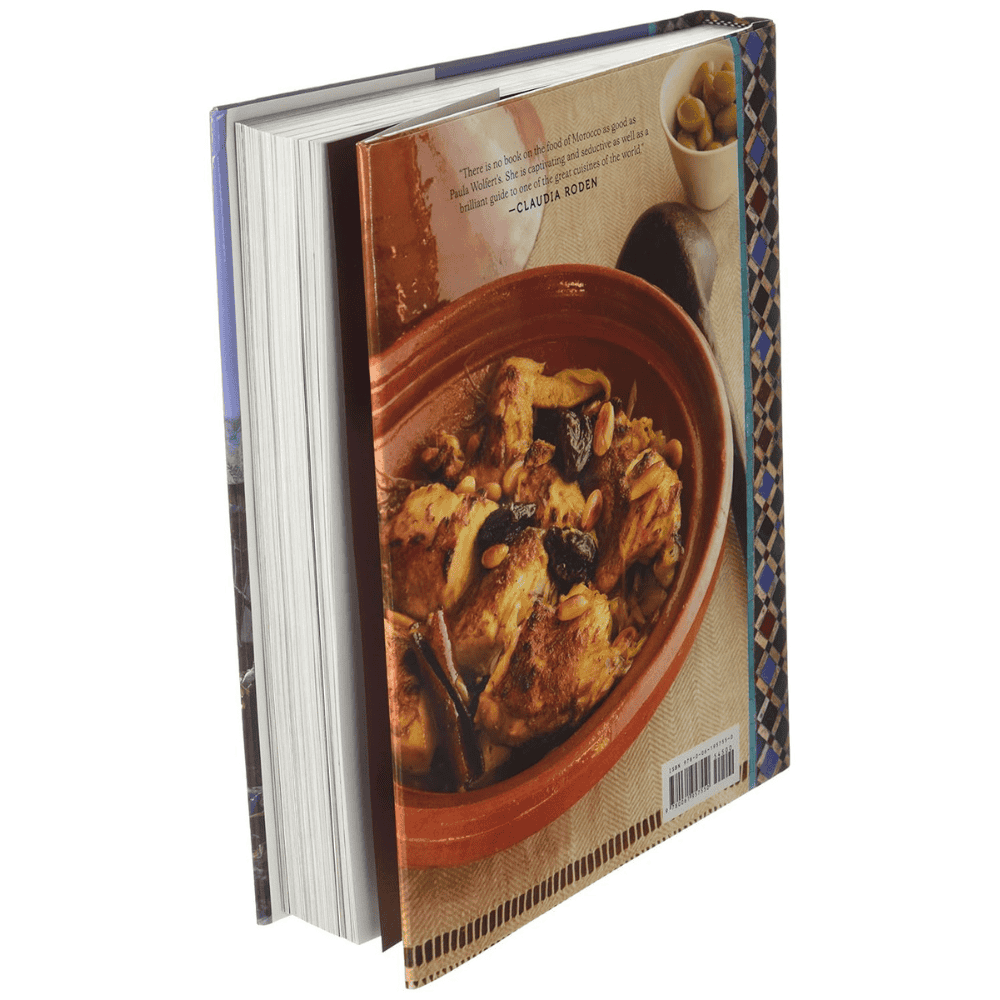
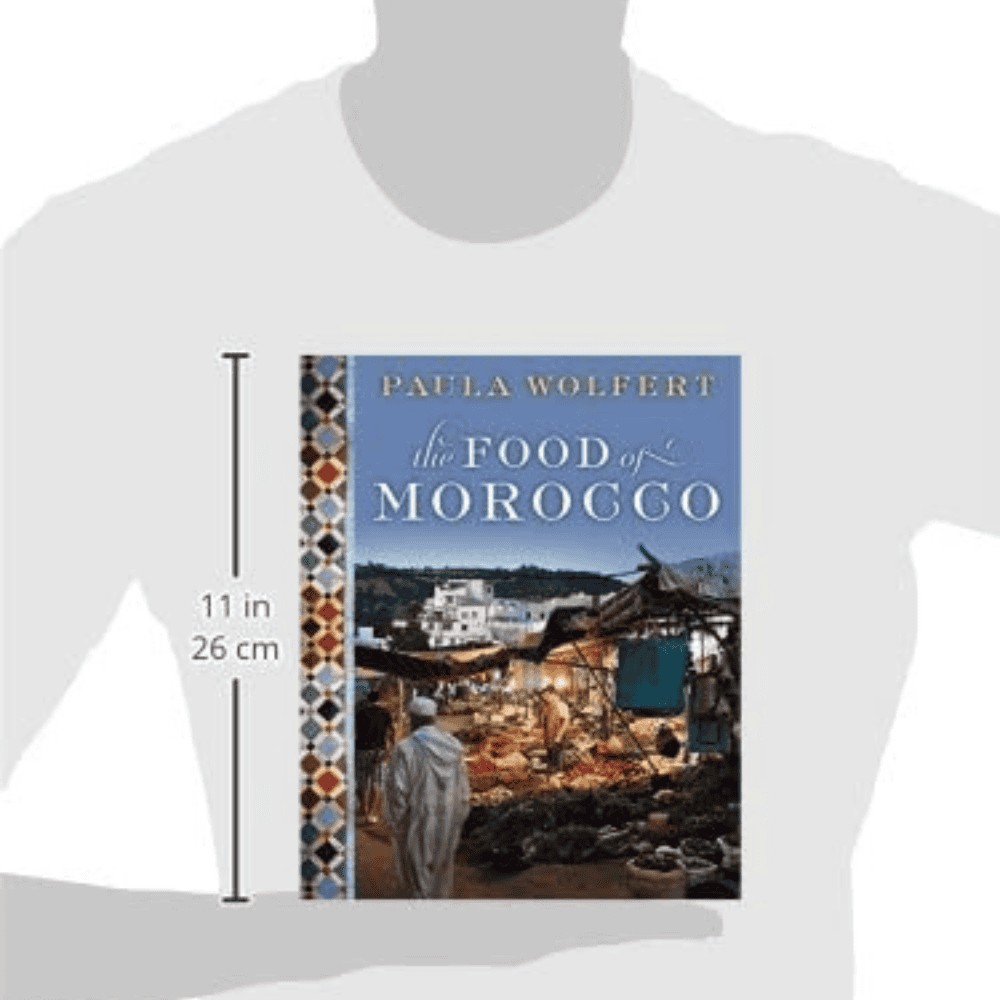
The illustrated hardcover measures approximately 8.5 × 1.44 × 10.5 inches, providing generous page space for photography and recipe layouts. The 528-page format allows comprehensive coverage without compressing instructions or ingredient lists.
The organized structure helps readers return easily to favorite chapters, while the durable hardcover design makes the book suitable for repeated kitchen use. The English-language text is clearly formatted with readable recipes, informative essays, and logical progression throughout the chapters.
The substantial size reflects the depth of research rather than unnecessary repetition.
- Hardcover edition
- Large illustrated format
- 528 pages
- Easy-to-read layout
- Durable reference book
Why Is This Cookbook a Valuable Addition to a Culinary Library?
Many cookbooks focus mainly on recipes, while The Food of Morocco combines authentic cooking instruction, ingredient education, regional traditions, culinary history, and extensive photography into one detailed reference. The result is a resource that continues to provide value as cooking skills develop over time.
Its balance of practical recipes and cultural knowledge allows readers to understand both how Moroccan dishes are prepared and why they have remained important across generations. The detailed explanations encourage confidence while preserving respect for traditional cooking methods.
Available through GiftsMorocco, this English-language illustrated edition offers an authentic introduction to Moroccan cuisine directly inspired by the country’s rich culinary heritage.
- Comprehensive Moroccan cookbook
- Authentic cultural reference
- Traditional recipes
- Educational culinary resource
- From Morocco – GiftsMorocco


Reviews
There are no reviews yet.